5 Holistic Approaches to Better Mental Health
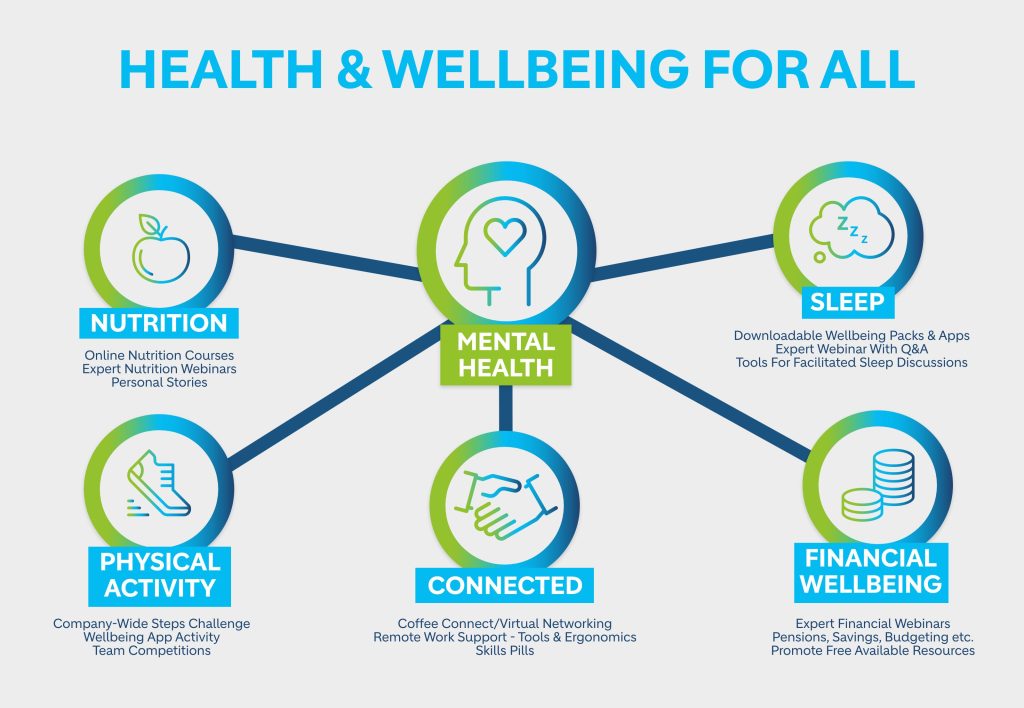
In recent years, conversations about mental health have shifted from focusing solely on treatment to embracing holistic approaches that support the mind, body, and spirit together. While therapy and medication play a vital role for many, incorporating natural and lifestyle-based strategies can provide additional balance and resilience. Here are five holistic approaches to improving mental health that you can integrate into your daily life.
1. Mindfulness and Meditation
Mindfulness is the practice of being fully present in the moment, without judgment. Studies show that meditation and mindfulness practices reduce stress, lower anxiety, and improve emotional regulation. By taking just 10 minutes a day to sit quietly, focus on your breath, or use a guided meditation app, you can create space for calm and clarity. Over time, mindfulness strengthens the brain’s ability to manage stress and increases feelings of inner peace.
2. Nutrition for the Mind
What we eat has a direct impact on how we feel. A balanced diet rich in whole foods, healthy fats, and lean proteins supports brain health and emotional stability. Omega-3 fatty acids (found in fish, chia seeds, and walnuts) are linked to reduced symptoms of depression, while foods high in antioxidants like berries and leafy greens help fight inflammation that can affect mood. Even small changes—like reducing processed sugar and adding more colorful fruits and vegetables—can boost both energy and mental clarity.
3. Movement and Exercise
Physical activity isn’t just good for the body—it’s powerful medicine for the mind. Exercise stimulates the release of endorphins, the “feel-good” hormones, while also reducing cortisol, the stress hormone. Whether it’s yoga, walking, dancing, or strength training, moving your body regularly helps relieve anxiety, improves sleep, and boosts self-confidence. You don’t need a gym membership—just 20–30 minutes of daily activity can make a noticeable difference in mood and focus.
4. Connection and Community
Humans are social beings, and meaningful connections play a vital role in mental well-being. Loneliness and isolation are strongly linked to anxiety and depression, while nurturing relationships provides a sense of belonging and support. Making time for family, friends, or even joining a community group can enhance resilience against stress. In 2025, digital platforms also make it easier to find virtual communities that share your values, interests, or wellness goals.
5. Restorative Practices: Sleep and Relaxation
Quality rest is one of the most overlooked aspects of mental health. Sleep allows the brain to recharge, process emotions, and reset for the day ahead. Adults should aim for 7–9 hours of restful sleep, supported by a consistent bedtime routine and a calming environment. Relaxation practices such as journaling, deep breathing, or aromatherapy can also signal your body to unwind, making sleep deeper and more restorative.
Conclusion
Improving mental health doesn’t require drastic changes—it’s about integrating small, holistic practices that nurture both the body and the mind. By combining mindfulness, nutrition, exercise, community, and restorative rest, you create a foundation for long-term emotional resilience and well-being. Mental health is a journey, and with these holistic approaches, you can take meaningful steps toward a calmer, healthier, and more balanced life.


Post Comment